Sooner or later every engine owner faces the same question at the parts counter: pay more for the part in the original manufacturer’s box, or save money on an aftermarket equivalent? For a Volvo Penta or MAN diesel that has to start every time and run for thousands of hours, the answer is worth more than a minute’s thought.
Here is how the two actually differ, where each one makes sense, and how to avoid the trap that catches most buyers.
What the labels really mean
OEM stands for Original Equipment Manufacturer, the part made to the engine builder’s specification and fitted on the assembly line. Aftermarket covers everything made by other companies to fit the same engine, and that group is enormous. At the top end it includes parts produced in the very same factories that supply the engine builders, to the same drawings. At the bottom end it includes copies that look right and fit the box but were never held to the original tolerances.
That spread is the whole problem. “Aftermarket” on its own tells you almost nothing. The supplier behind the part tells you everything.
Where OEM is worth it
Some components are not the place to economise. Anything tied to sealing, fuel delivery or the rotating assembly earns its OEM price:
- Head gaskets and cylinder head components, where a fraction of a millimetre in thickness or a change in material alters compression and sealing.
- Injectors, injection pumps and high-pressure pipes, where spray pattern and pressure tolerances decide whether the engine runs clean or hammers itself apart.
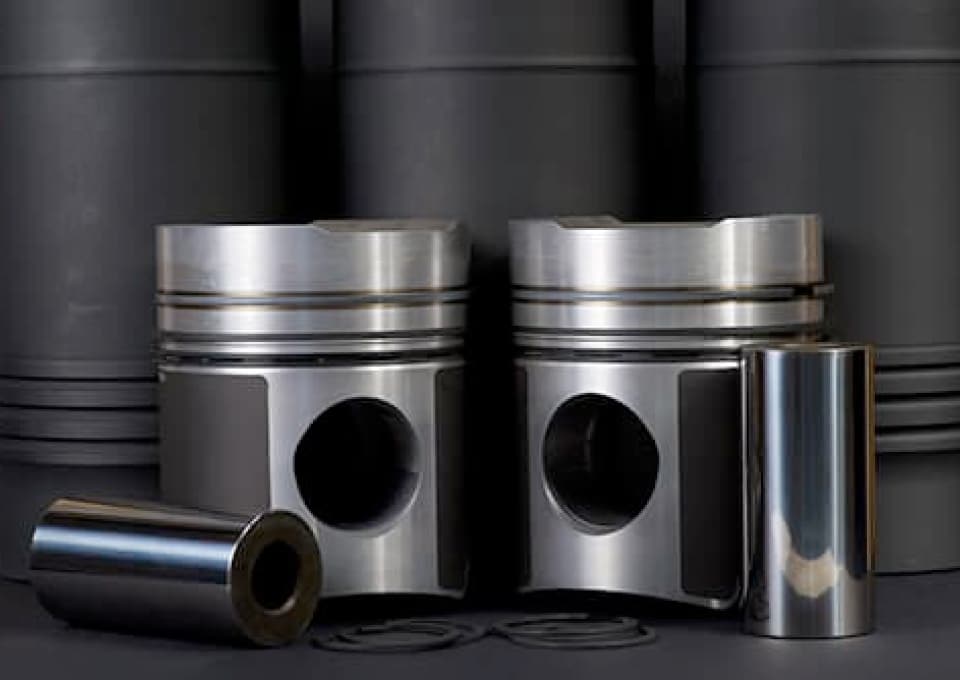
- Pistons, liners and bearings, the parts that turn a small clearance error into a major repair.
On these, the cost of a failure dwarfs the saving on the part.
Where good aftermarket makes sense
Plenty of parts do their job perfectly well in quality aftermarket form. Filters, hoses, belts, basic gaskets, fasteners and many wear items are made to open standards and are easy to verify. Here the sensible move is to buy on the reputation of the supplier rather than the logo on the box. A trusted parts house that stands behind what it sells is often a better signal than the packaging.
The hidden cost nobody prices in
The real expense of a wrong or low-grade part is rarely the part itself. It is the engine that comes apart again three months later, the labour to do the job twice, and the downtime in between. For a working boat or an industrial generator, a single day of downtime can cost more than the entire difference between OEM and budget parts across a full rebuild. Seen that way, “expensive” and “cheap” quietly swap places.
How to buy with confidence
A few habits keep you out of trouble whichever route you take. Start from the numbers: the OE number stamped on the old part, or the engine’s serial plate, is the only reliable way to match a replacement. Descriptions and photos are a place to start, not proof of fit.
Ask where the part comes from. A supplier who can tell you the origin and grade of a part, and who keeps real stock instead of drop-shipping unknowns, is a supplier worth holding on to. And match the part to the job: spend on the components that fail expensively, and stay practical about the ones that do not.
The middle path most professionals take
In practice, experienced engineers rarely sit at either extreme. They fit OEM where it counts and proven aftermarket where it does not, and they buy from a source that carries both and knows the difference. That is exactly the job a specialist parts supplier should do: not push the most expensive option, but match the right part to the engine and the budget.
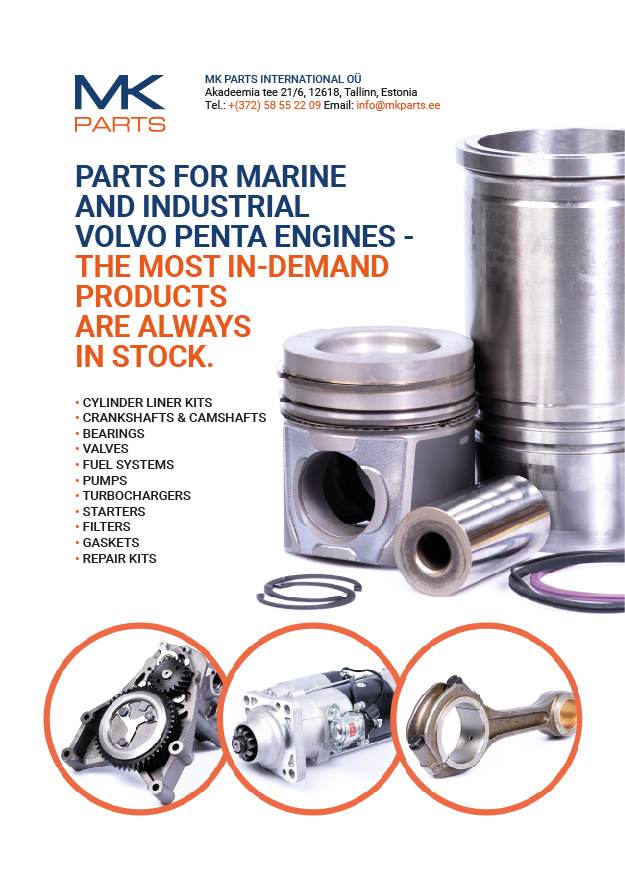
MK Parts supplies OEM and high-quality replacement parts for Volvo Penta and MAN marine and industrial engines, with more than ten thousand items in stock and delivery across Europe in one to two days. Send us the OE number or your engine details and we will tell you honestly what fits, what we have on the shelf, and what it costs. Get in touch and put the guesswork aside.